Blood tests inform countless clinical decisions each day, yet the CPT codes used to bill for them are often misunderstood. If you’ve ever seen some of the below hematology CPT codes on a lab report or insurance statement and wondered what it actually represents, you’re not alone.
These codes aren’t just numbers, they tell the story of how blood is analyzed to detect illness, monitor treatment, and protect patient health. At Healthsure Hub we explore the most common hematology CPT codes in a clear, easy-to-digest way, helping you understand what each test does and why it matters.
What Is Hematology?
Hematology is the branch of medicine that focuses on the study of blood, blood-forming organs, and blood-related disorders. It plays a central role in diagnosing and managing a wide range of conditions, from anemia and infections to clotting disorders, immune system abnormalities, and blood cancers. Because blood circulates throughout the entire body, changes in blood cell counts or clotting factors often provide early clues to underlying health issues.
Hematology testing evaluates key components such as:
- Red blood cells
- White blood cells
- Platelets
- Hemoglobin levels
- Coagulation factors
These measurements help clinicians assess oxygen delivery, immune function, bleeding risk, and inflammatory responses. Hematology tests are routinely ordered during annual physicals, pre-surgical evaluations, emergency care, and chronic disease management. From routine screenings to life-saving diagnostics, hematology serves as one of the foundational pillars of laboratory medicine.
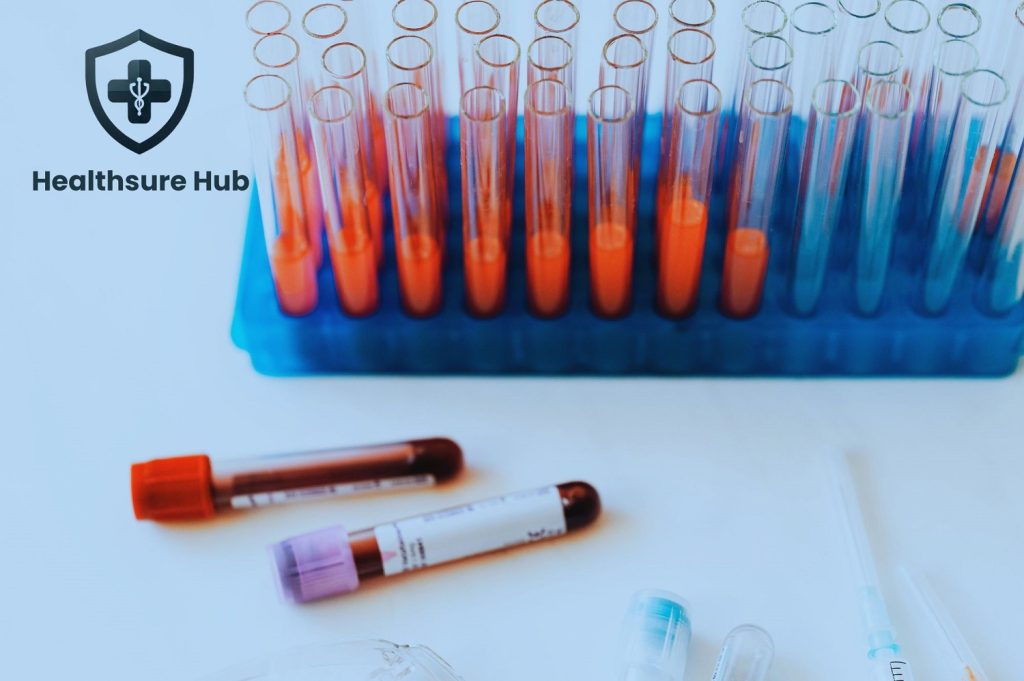
Source: Pexels
Most Common Hematology CPT Codes
Hematology CPT codes represent standardized billing descriptions for blood tests commonly performed in clinical practice. These codes allow laboratories and healthcare providers to communicate clearly with insurers while ensuring accurate reimbursement. Below are some of the most frequently used hematology CPT codes and what each test is designed to evaluate.
CPT 85025
CPT code 85025 refers to a complete blood count (CBC) with an automated differential. This test measures red blood cells, white blood cells, platelets, hemoglobin, hematocrit, and includes a breakdown of different white blood cell types. It is widely used to evaluate infections, anemia, inflammation, immune disorders, and overall blood health during routine exams or acute illness.
CPT 85027
CPT code 85027 describes a complete blood count without a differential. It evaluates core blood components such as red blood cells, white blood cells, hemoglobin, hematocrit, and platelets but does not separate white blood cells into subtypes. This test is commonly used for routine health screenings, preoperative assessments, and ongoing monitoring of known conditions.
CPT 85610
CPT code 85610 is one of the most commonly used hematology CPT codes and is used for prothrombin time (PT) testing, often reported with the international normalized ratio (INR). This test evaluates how quickly blood clots and is essential for monitoring patients on anticoagulant medications like warfarin. It also helps assess liver function and diagnose bleeding or clotting disorders.
CPT 85730
CPT code 85730 represents the activated partial thromboplastin time (aPTT) test. It measures the efficiency of the intrinsic and common clotting pathways. This test is frequently used to monitor heparin therapy, investigate unexplained bleeding, and evaluate clotting factor deficiencies or coagulation abnormalities.
CPT 85002
CPT code 85002 refers to a blood count performed manually rather than by automated instruments. Manual counts may be ordered when abnormal results require closer review or when automated analysis is not reliable. This code is typically used in specialized situations where precision and visual confirmation of blood cells are necessary.
CPT 85007
CPT code 85007 describes a manual differential white blood cell count. This test identifies and counts different types of white blood cells under a microscope. It is often ordered when abnormal or immature cells are suspected, such as in infections, leukemias, or other hematologic disorders requiring detailed cell morphology evaluation.

CPT 85379
CPT 85379 is used for D-dimer testing, which measures fibrin degradation products in the blood. Elevated levels may indicate active clot formation and breakdown. This test is commonly used to help rule out conditions such as:
CPT 85540
CPT 85540 represents an activated clotting time (ACT) test. It is primarily used in high-risk settings such as:
- Cardiac surgery
- Interventional cardiology
- Dialysis
This test provides rapid assessment of clotting status in patients receiving high doses of anticoagulants during invasive procedures.
Conclusion
Hematology CPT codes form the backbone of blood-based diagnostic testing and medical billing. Each code represents a specific test that helps clinicians detect disease, monitor treatment, and guide clinical decisions.
Understanding these commonly used hematology CPT codes creates a stronger foundation for accurate documentation, compliant billing, and informed patient care. As a pillar topic, this guide connects directly to deeper, code-specific resources that explore each test in greater clinical and billing detail.
About the Author