The insurance industry is undergoing a profound transformation driven by changing customer expectations, digital innovation, and increased competition. At the center of this evolution is insurance customer experience service, which has shifted from a support function to a primary differentiator for insurers aiming to improve retention, trust, and operational efficiency.
Today’s policyholders expect seamless communication, personalized interactions, and efficient service across every channel. Companies that fail to meet these expectations risk losing customers to competitors who prioritize experience as much as price. The following statistics reveal how insurance customer experience service influences financial performance, loyalty, digital adoption, and long-term growth.
Top Insurance Customer Experience Statistics
Here are the most important insurance customer experience statistics shaping insurer strategy, customer loyalty, and digital transformation:
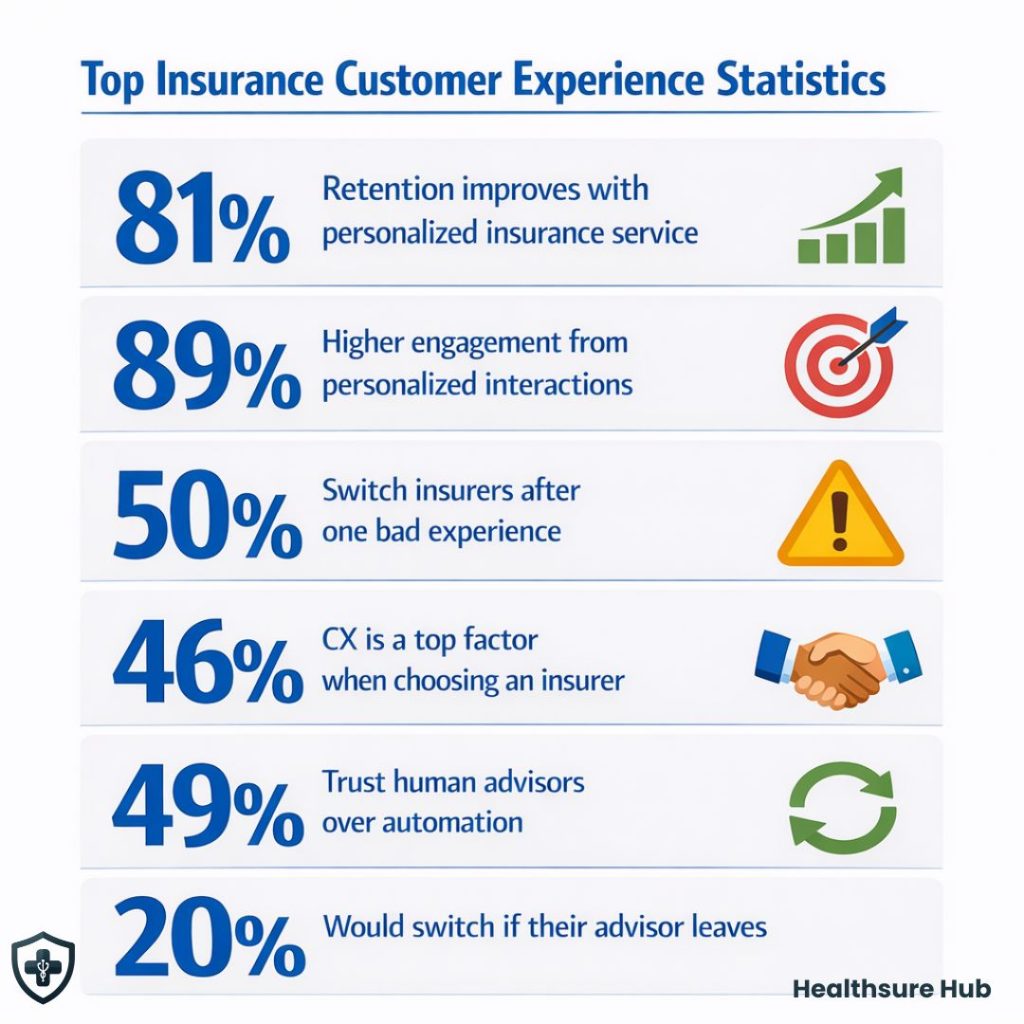
- 81% customer retention rate is achieved through personalized insurance services
- 89% higher engagement occurs when insurers personalize customer interactions
- 50% of customers switch providers after just one negative experience
- 46% of customers say customer experience is a top factor when choosing an insurer
- 49% trust human advisors more than automated systems
- 20% of customers would switch insurers if their advisor left
Personalization Is a Major Driver of Customer Loyalty
Personalization has become one of the strongest drivers of satisfaction in insurance interactions. Customers now expect insurers to understand their needs, anticipate issues, and provide tailored solutions.
Key insurance customer experience statistics demonstrate the power of personalization:
- Personalized services increase customer retention rates to 81%
- Personalization boosts engagement levels by 89%
- 50% of customers will switch insurers after one negative experience
- 69% of customers are willing to share personal data in exchange for better pricing
- Only 17% of insurers prioritize personalization, while 50% of customers expect it
These insights reveal a significant gap between consumer expectations and current service strategies. Insurers that fail to personalize interactions risk losing customers who compare experiences across industries, not just within insurance.
Personalization also builds trust, which is critical in an industry where customers make long-term financial decisions.
Omnichannel Engagement Is Now the Standard in Insurance Customer Experience
Modern policyholders expect seamless communication across multiple platforms when interacting with their insurers. A strong insurance customer experience depends on supporting interactions across phone, email, mobile apps, in-person meetings, and digital platforms without disruption.
Insurance customer experience statistics show that communication preferences continue to shift as customers expect flexibility and consistency across all touchpoints.
Customer behavior data in insurance reveals:
- 6 out of 10 insurance customers switch communication channels before making a purchase decision
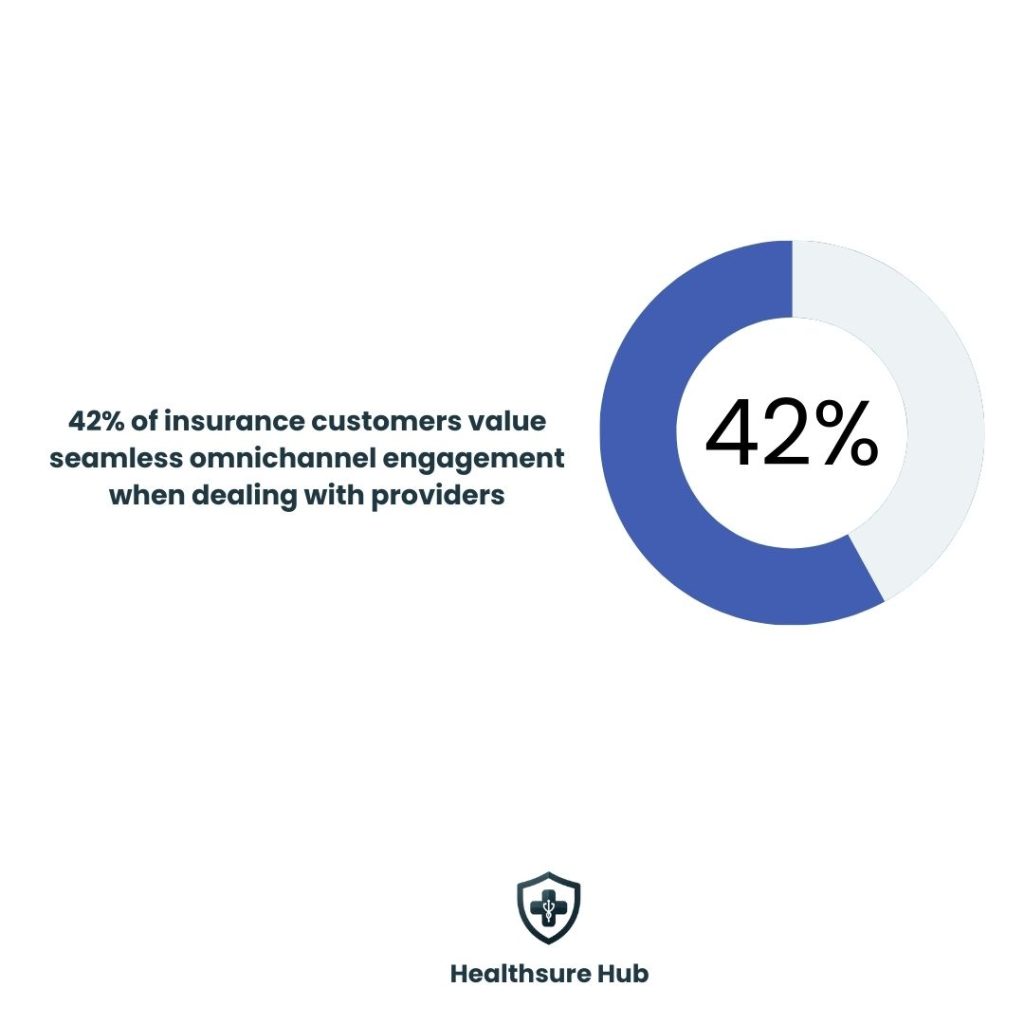
- 42% of insurance customers value seamless omnichannel engagement when dealing with providers
- Over 50% of customers prefer phone support when resolving insurance-related issues
- 43% prefer receiving insurance statements via email
- 26% prefer traditional mail for policy communication
Despite offering multiple channels, many insurers struggle to maintain consistency across interactions. Research into insurance customer experience highlights several communication gaps:
- 1 in 6 insurance customers report receiving no follow-up after their initial inquiry
- 42% cite poor communication as their biggest frustration with insurers
These communication gaps weaken trust, reduce satisfaction, and contribute directly to customer churn. Insurers that invest in integrated communication systems and agent training are more likely to deliver a seamless insurance customer experience that meets evolving expectations.
Digital Transformation and Customer Expectations
Digital tools increasingly shape how customers evaluate insurers, but satisfaction with digital channels remains inconsistent.
Current digital preference insurance customer experience statistics include:
- 34% would use their phone for opening a new account with an insurer
- Only 20% rank digital channels as their top interaction choice
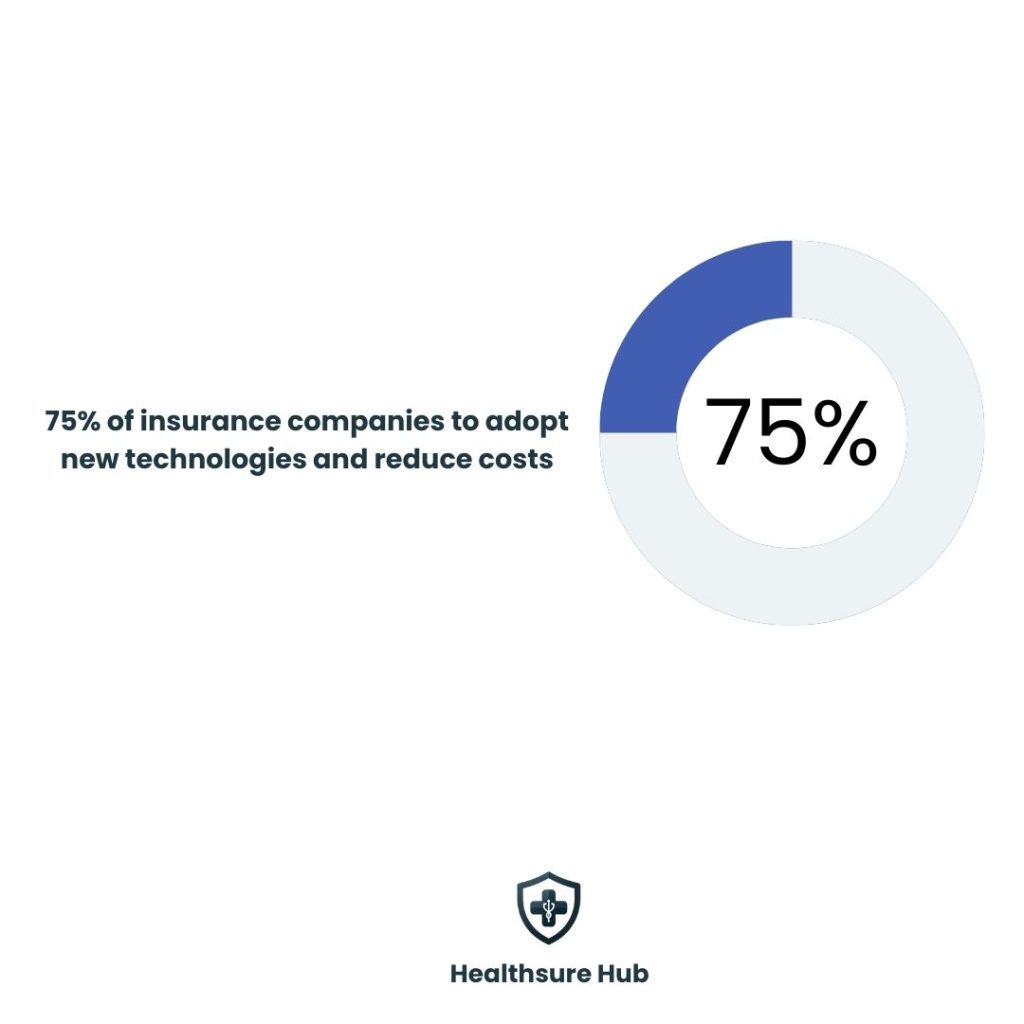
- 75% of insurance companies to adopt new technologies and reduce costs
- 58% of insurers have increased digital innovation budgets
- 53% say better digital payment options would increase satisfaction
These figures show that digital investments must align with customer needs to deliver meaningful improvements.
Customer Pain Points That Influence Switching Behavior in Insurance
Insurance customer experience statistics show that dissatisfaction often builds gradually, usually driven by communication gaps, unclear policy value, and repeated service friction. These challenges not only weaken trust but also increase the likelihood that customers will explore other providers.
Research reveals that insurance customers contact their insurer an average of four times before purchasing a policy, often because they need clarification or reassurance about coverage details. When communication lacks transparency, frustration grows. In fact, 42% of customers report that little or no communication is their biggest challenge when dealing with insurers, making it one of the most common experience failures in the industry.
Unclear value is another major contributor to customer churn. Data shows that 40% of policyholders have considered canceling their insurance because they were unsure whether their coverage justified the cost. This perception has broader implications for the industry, as life insurance ownership has declined to 52%, with experience-related barriers playing a role in decision-making.
These insurance customer experience statistics highlight the importance of proactive communication, simplified policy explanations, and responsive service. Insurers that prioritize transparency and education are more likely to build trust, reduce switching behavior, and strengthen long-term customer relationships.
Human Interaction Remains Essential in Insurance Customer Experience
Insurance customer experience statistics consistently show that while digital tools are growing, human interaction remains a critical factor in customer satisfaction. Policyholders often prefer speaking with real advisors when making complex insurance decisions because trust, clarity, and reassurance play a major role in the experience.
Research on insurance customer experience highlights the continued importance of personal support:
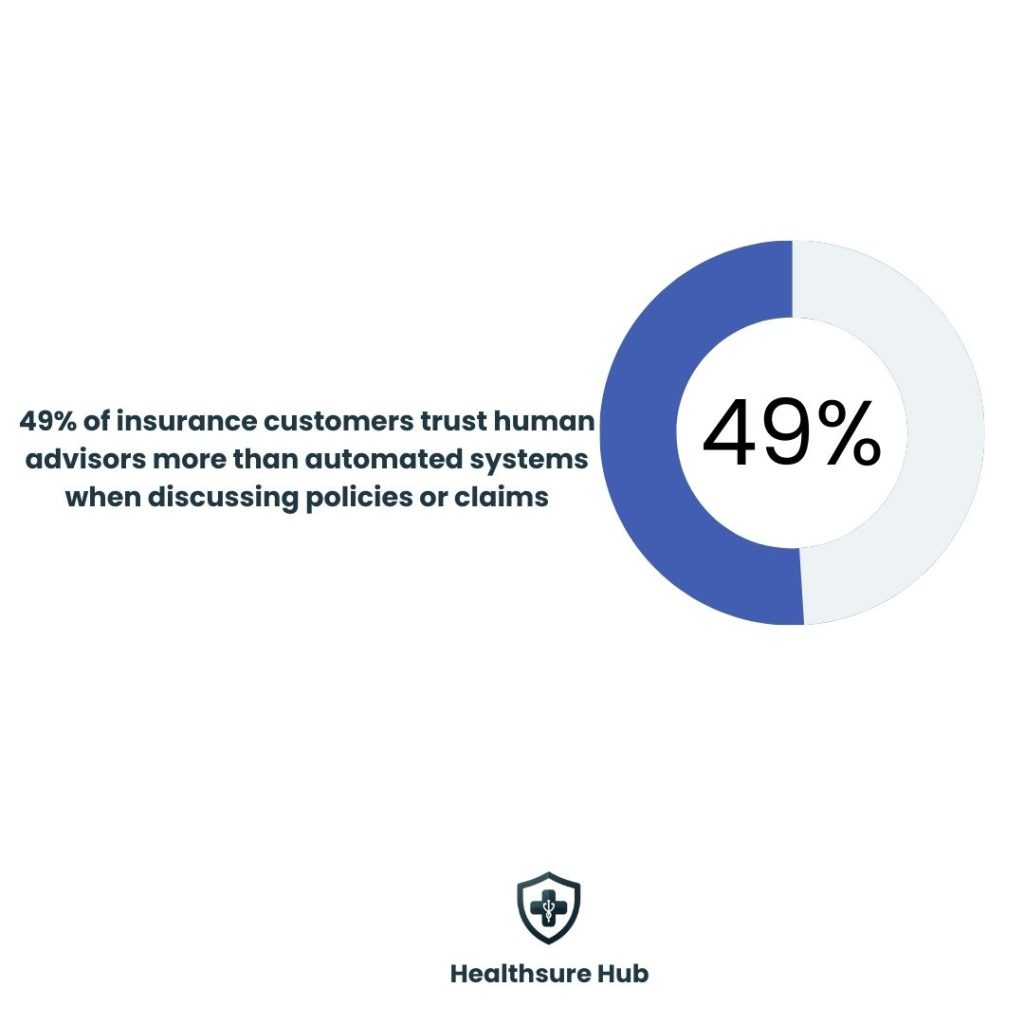
- 49% of insurance customers trust human advisors more than automated systems when discussing policies or claims
- 70% prefer in-person interactions for complex insurance matters such as coverage decisions or financial planning
- Only 50% of insurance customers engage with their agent annually, leaving significant room for relationship improvement
- 20% of customers would switch insurance providers if their advisor left, showing how personal connections influence loyalty
These insurance customer experience statistics demonstrate that while automation improves efficiency, human support remains essential for building trust, improving retention, and delivering personalized service. Insurers that balance technology with strong advisor relationships are more likely to create positive and lasting customer experiences.
Customer Pain Points That Influence Switching Behavior
Understanding dissatisfaction is essential for improving service delivery. Research highlights several recurring issues that influence switching behavior.
Major challenges include:
- Customers contact insurers an average of four times before purchasing a policy
- 40% have considered canceling their policy due to unclear value
Transparency, clarity, and responsiveness play a crucial role in improving customer relationships.
Why Customer Experience Could be the Ultimate Differentiator
Insurance customers typically interact with providers only once or twice per year. Each interaction significantly impacts overall perception. Companies that prioritize experience often see stronger loyalty and higher referral rates.
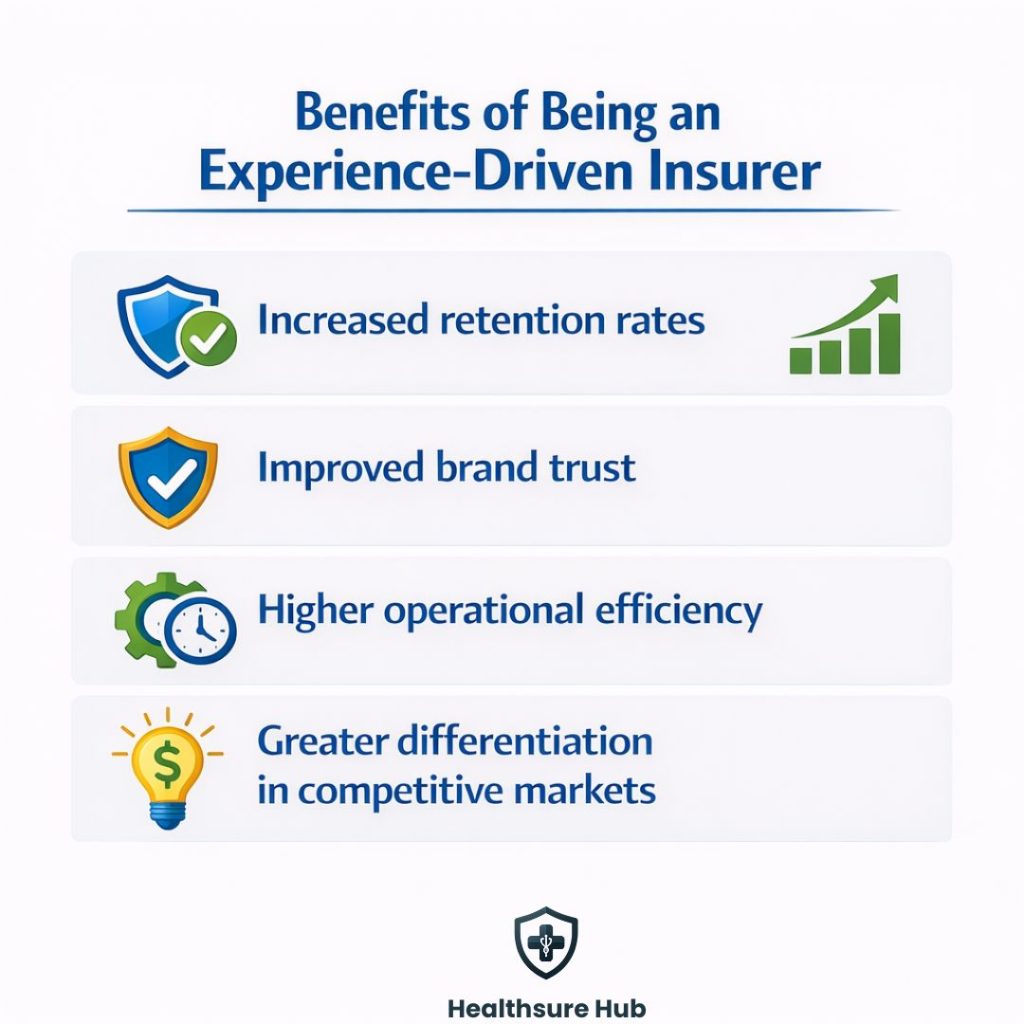
As per the insurance customer experience statistics, experience-driven insurers benefit from:
- Increased retention rates
- Improved brand trust
- Higher operational efficiency
- Greater differentiation in competitive markets
Organizations that consistently deliver strong service are better positioned to adapt to industry changes and evolving customer expectations.
Conclusion
The insurance customer experience statistics data clearly shows that customer experience plays a central role in determining long-term success in insurance. Insurers who invest in personalization, communication, digital innovation, and human support consistently outperform competitors.
As expectations continue to rise, companies that refine their service strategies will maintain stronger loyalty, reduce churn, and improve profitability. Experience has become the defining factor in how customers choose insurers, making it one of the most important areas for strategic investment.
Sources:
https://www.mendix.com/blog/20-stats-future-insurance-depends-customer-experience
https://www.kubra.com/blog/7-important-customer-experience-stats-for-insurance-providers
https://www.kubra.com/blog/the-insurers-guide-to-modernizing-print-and-mail-communications
https://www.ibm.com/thought-leadership/institute-business-value/en-us/report/insurance-in-ai-era
https://www.gartner.com/en/doc/736127-top-trends-in-insurtechs-for-2025
About the Author